If you’ve ever dealt with an injury or a chronic challenge, you know how easy it is to feel trapped by it. It’s natural to want to protect your body, but there’s a risk that your injury starts to become your identity, the story you tell yourself every day.
Here’s the truth:
Being mindful of your limits doesn’t mean you have to stop moving altogether.
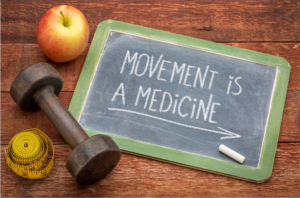
In fact, something is almost always better than nothing and doing nothing usually doesn’t help.
The Injury Identity Trap: Why It’s Important to Separate You From Your Injury
Imagine carrying a backpack every day, but instead of just on your shoulders, it’s tied to your whole self. The injury becomes that backpack, weighing you down mentally and physically. You might avoid activities, social situations, or even simple movements because of fear.
Research in health psychology shows that when people internalize an injury as part of their identity, they’re less likely to engage in physical activity and more likely to experience depression and reduced quality of life (Brewer et al., 2003).
Analogy: Your injury is like a chapter in your life story, important, but it doesn’t write the whole book.
Why “Nothing” Usually Isn’t the Answer
If you’ve tried resting and avoiding movement, you might have noticed that doing nothing didn’t lead to healing or at least not the full healing and strength you hoped for.
Science tells us that appropriate movement and exercise promote recovery by increasing blood flow, strengthening surrounding muscles, and improving flexibility and balance (Kisner & Colby, 2017).
For example, after a knee injury, avoiding all movement can weaken muscles that support the joint, making it more vulnerable long-term. But gentle, guided exercise can build resilience.
Common Misconceptions About Injuries and Movement
Myth 1: “If it hurts, stop immediately.”
Truth: Sharp pain is a warning, yes, but mild discomfort during controlled movement often signals progress (Hodges & Tucker, 2011). Learning to distinguish between harmful pain and safe effort is key.
Myth 2: “I’m too injured to exercise.”
Truth: Almost everyone can find some form of movement that’s safe and beneficial. Adaptations and modifications make movement accessible (Shnayderman & Katz-Leurer, 2013).
Myth 3: “Rest is always best.”
Truth: Prolonged rest can delay recovery. Early mobilization under guidance improves outcomes for many injuries (Handoll & Sherrington, 2007).
Practical Tips: Moving Forward With Your Injury Without Overdoing It
1. Get Professional Guidance
A physical therapist or qualified trainer can help design a program tailored to your injury and goals.
2. Start Small and Progress Slowly
Even 5-10 minutes of gentle movement can help. Like dipping your toes before jumping in the pool.
3. Listen to Your Body But Don’t Be Afraid to Challenge It
Note pain types and levels. Mild soreness or fatigue after activity can be okay, but sharp or worsening pain isn’t.
4. Focus on What You Can Do
Maybe full running is off the table, but walking, swimming, or chair exercises might be options.
5. Mind Your Mindset
Remember, your injury doesn’t define you. Celebrate small wins and progress.
Why “Something Is Better Than Nothing” Backed by Research
A review in the British Journal of Sports Medicine found that even low-intensity, short bouts of exercise improve physical function and reduce pain in people with chronic musculoskeletal conditions (Pedersen & Saltin, 2015).
Regular movement also releases endorphins, improving mood and reducing the emotional weight of injury (Craft & Perna, 2004).
Final Thought: You’re More Than Your Injury And Movement Is Your Ally
Think of your injury like a rough patch on a hiking trail. You might need to slow down, take detours, or use a walking stick, but you don’t have to stop the journey.
By acknowledging your limits, seeking guidance, and staying active in whatever way you can, you’re investing in a stronger, healthier future.
References
- Brewer, B. W., et al. (2003). Athletic identity and psychological adjustment to injury. Journal of Applied Sport Psychology.
- Kisner, C., & Colby, L. A. (2017). Therapeutic Exercise: Foundations and Techniques.
- Hodges, P. W., & Tucker, K. (2011). Moving differently in pain: A new theory to explain the adaptation to pain. Pain.
- Shnayderman, I., & Katz-Leurer, M. (2013). An aerobic walking programme versus muscle strengthening programme for chronic low back pain: a randomized controlled trial. Clinical Rehabilitation.
- Handoll, H. H., & Sherrington, C. (2007). Mobilisation strategies after hip fracture surgery in adults. Cochrane Database.
- Pedersen, B. K., & Saltin, B. (2015). Exercise as medicine – evidence for prescribing exercise as therapy in 26 different chronic diseases. British Journal of Sports Medicine.
- Craft, L. L., & Perna, F. M. (2004). The Benefits of Exercise for the Clinically Depressed. Primary Care Companion to The Journal of Clinical Psychiatry.